The 5 “Must See” beaches of Costa Rica
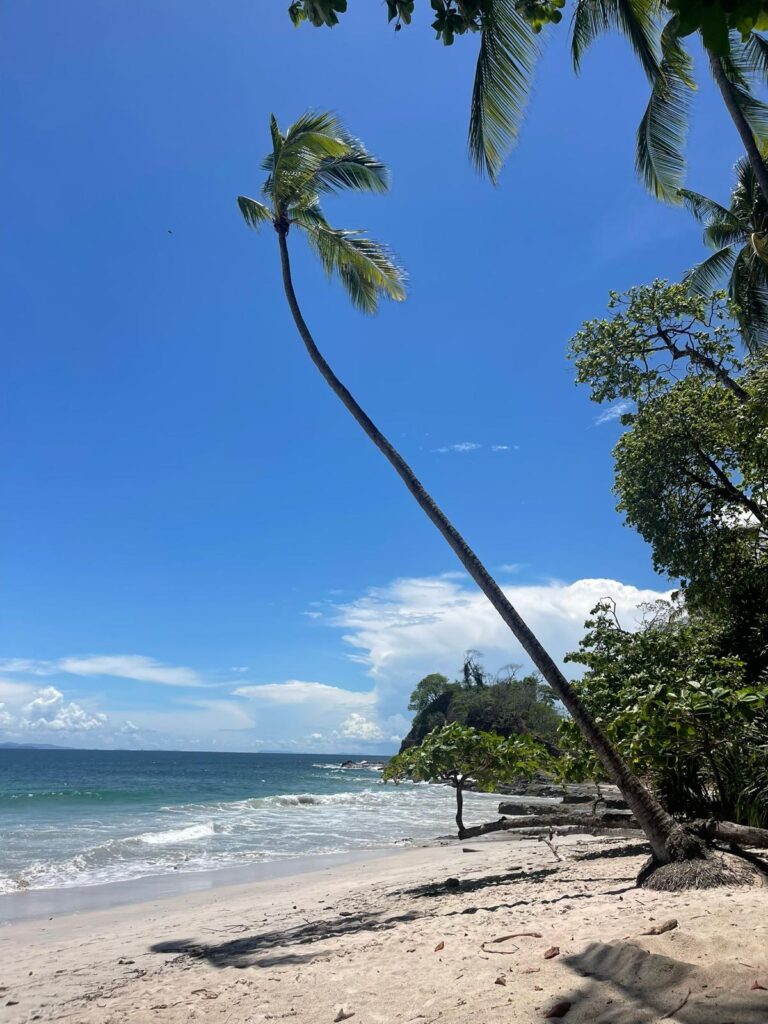
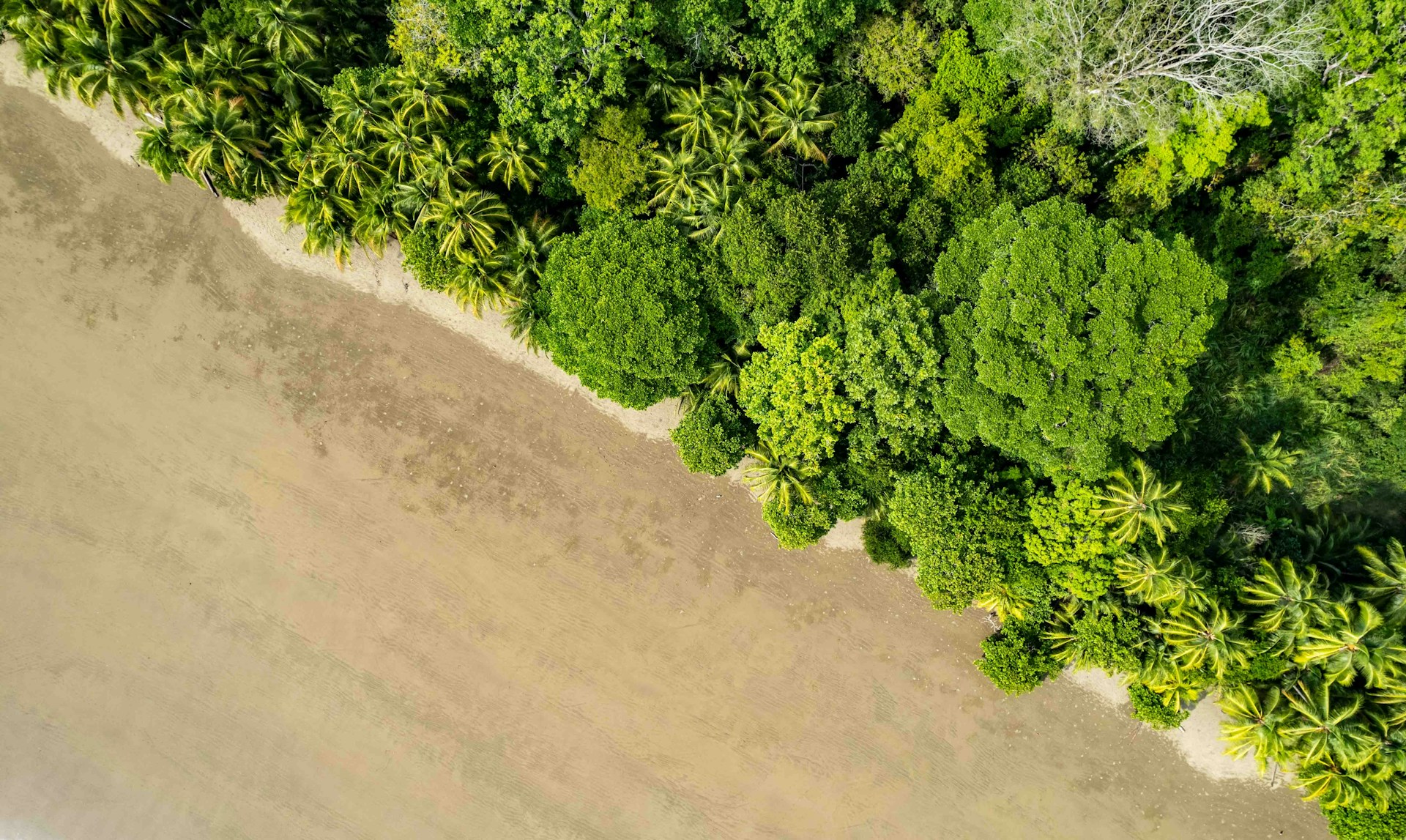
Costa Rica is a paradise for beach lovers, boasting some of the world’s most breathtaking shorelines. From powdery white sands and sparkling turquoise waters to rugged, wild shores surrounded by dense jungle, Costa Rica’s beaches showcase the natural wonders that make this destination unforgettable. Whether you’re looking to surf legendary waves, unwind beneath swaying palms, or explore vibrant marine life, Costa Rica’s beaches offer something for every traveler.
Time to start planning
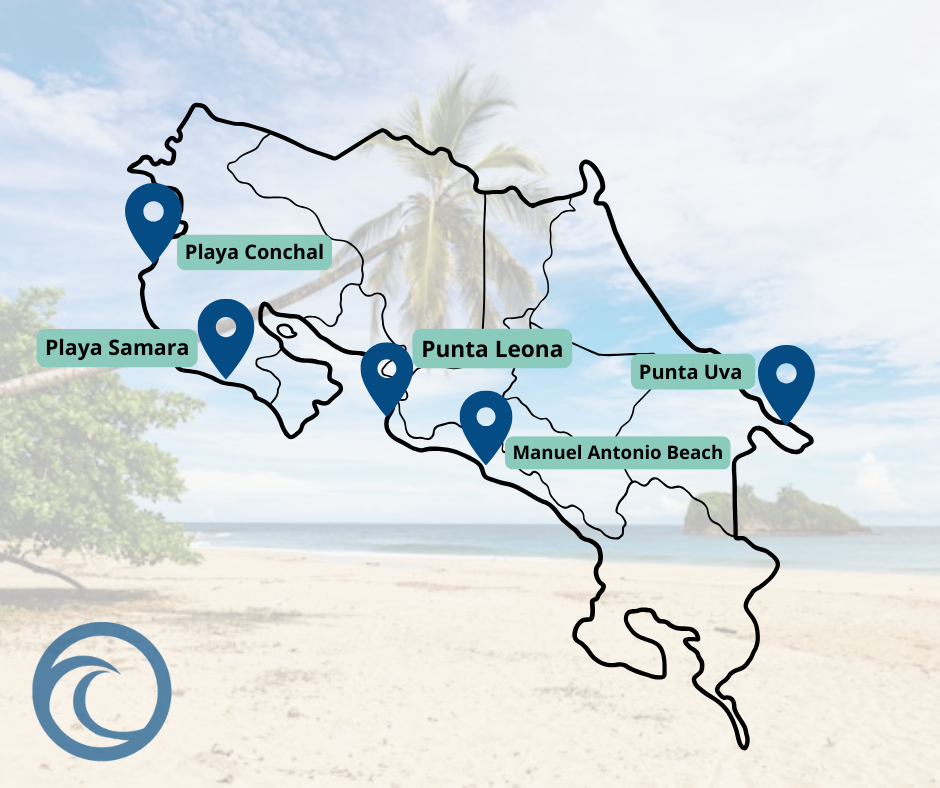
With two stunning coastlines – one along the Pacific Ocean and the other on the Caribbean Sea – the country offers a diverse range of beaches, each with its own unique appeal. Here are five must-see beaches that showcase the country’s natural beauty and diversity:
- Manuel Antonio Beach, Central Pacific Coast
- Playa Conchal, Guanacaste Province
- Samara, Nicoya Peninsula
- Punta Uva, Caribbean Coast
- Punta Leona, Central Pasific Coast
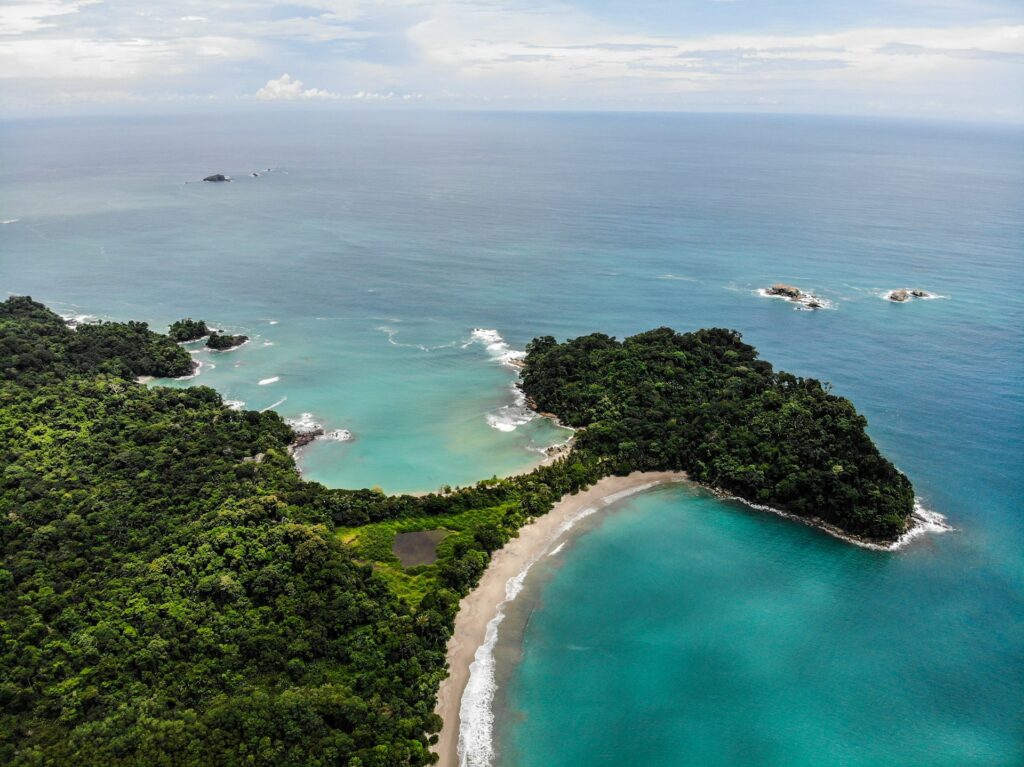
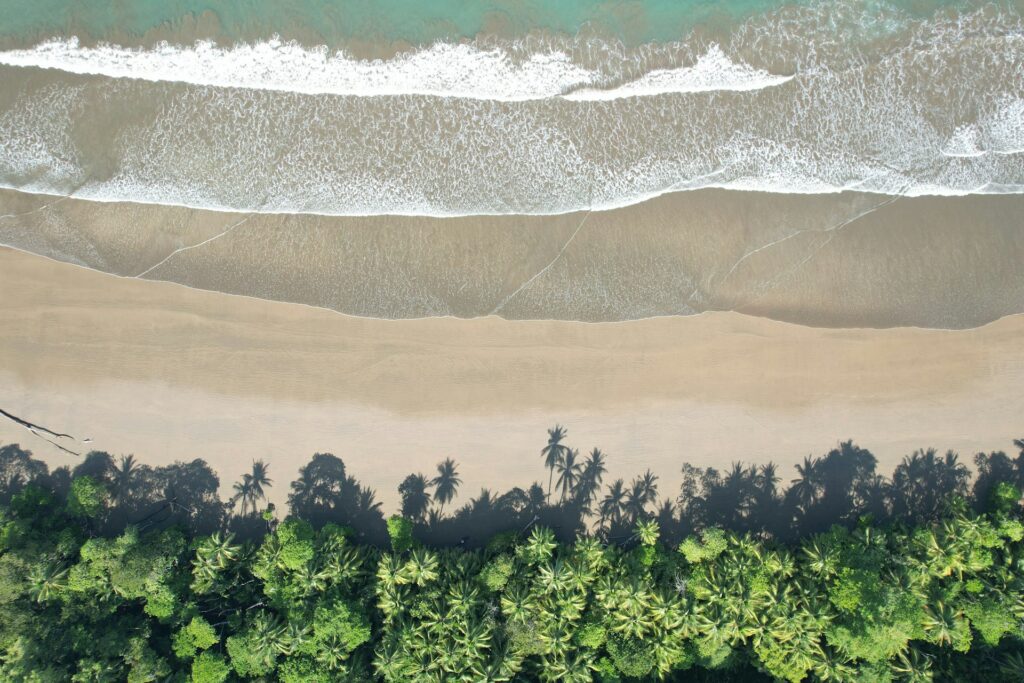
Manuel Antonio Beach is one of Costa Rica’s most iconic destinations, located within Manuel Antonio National Park on the Central Pacific Coast. This beach is a stunning blend of white sand, vivid turquoise waters, and lush green rainforest, creating a postcard-perfect setting that captivates visitors. It’s not only visually stunning but also offers a unique experience where beach relaxation meets rainforest adventure.
The beach itself is ideal for swimming, with calm waters perfect for a refreshing dip. For those interested in exploring beyond the beach, Manuel Antonio’s trails wind through tropical forests that are home to some of Costa Rica’s most famous wildlife. In addition to beachcombing and wildlife watching, visitors can enjoy activities like snorkeling, where the warm waters reveal colorful fish and coral formations.
Playa Conchal in Guanacaste Province is one of Costa Rica’s most unique and breathtaking beaches, famous for its sparkling shoreline composed of crushed seashells rather than traditional sand. Located on the Northern Pacific Coast, near the popular town of Playa Brasilito and close to Tamarindo, Playa Conchal offers crystal-clear turquoise waters that make it ideal for swimming, snorkeling, and relaxing.
The beach’s shell – sand creates a distinctive shimmer, especially under the tropical sun, giving Playa Conchal a magical, pearly quality. The water here is calm and clear, perfect for snorkeling just off the shore, where you can find colorful fish, rays, and even small reef formations. Beyond snorkeling, many visitors enjoy paddleboarding and kayaking to fully experience the calm, warm waters.
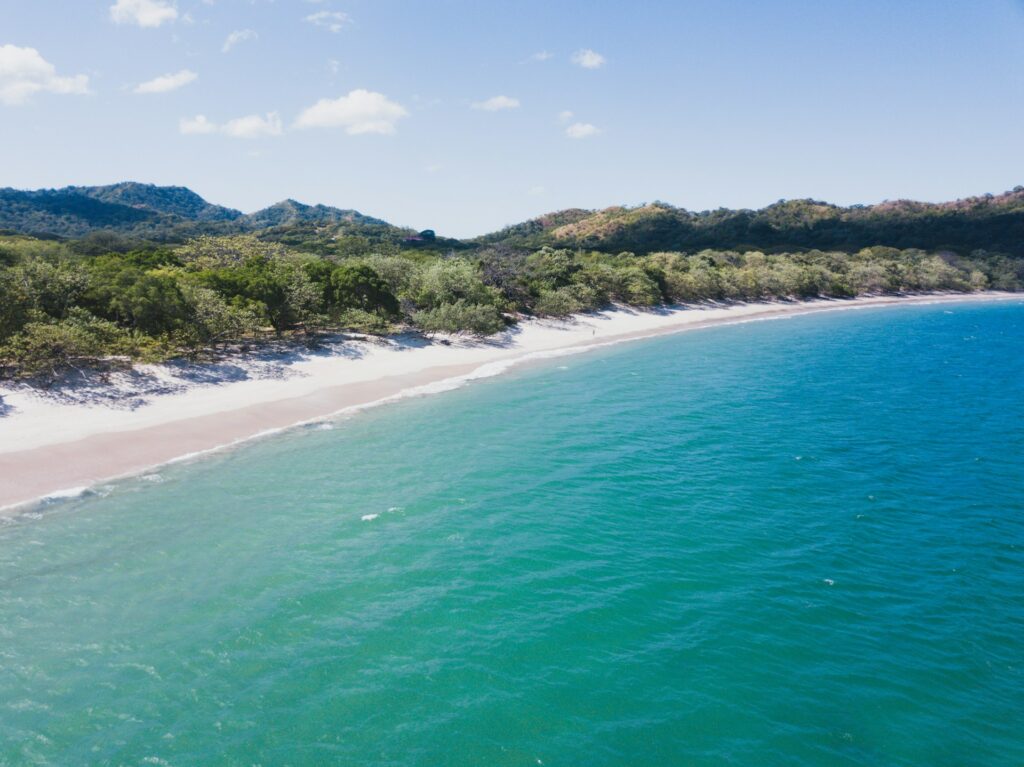

Surrounded by tropical dry forest and often offering spectacular sunsets, Playa Conchal is a true gem of Guanacaste. Its serene atmosphere, unique shell sand, and inviting waters make it a must-see for anyone exploring Costa Rica’s northern Pacific coast.
Siri
The beach at Sámara is a stunning, crescent-shaped bay stretching for about 4 kilometers along Costa Rica’s Nicoya Peninsula. It’s lined with soft, golden sand and shaded by tall palm trees, giving it a tropical, postcard-perfect look. The water here is calm and shallow due to the protective coral reef that surrounds the bay, creating a safe environment for swimming, paddleboarding, and kayaking. These gentle waves make Sámara a fantastic spot for beginner surfers, as well as families with children.
The beach itself has a relaxed, welcoming atmosphere, with local restaurants and cafes conveniently located nearby, offering fresh seafood and chilled drinks. On any given day, you’ll see locals and visitors enjoying the ocean, strolling along the shore, or lounging under the shade of palm trees. Small boats are often anchored in the bay, adding to the picturesque scenery.
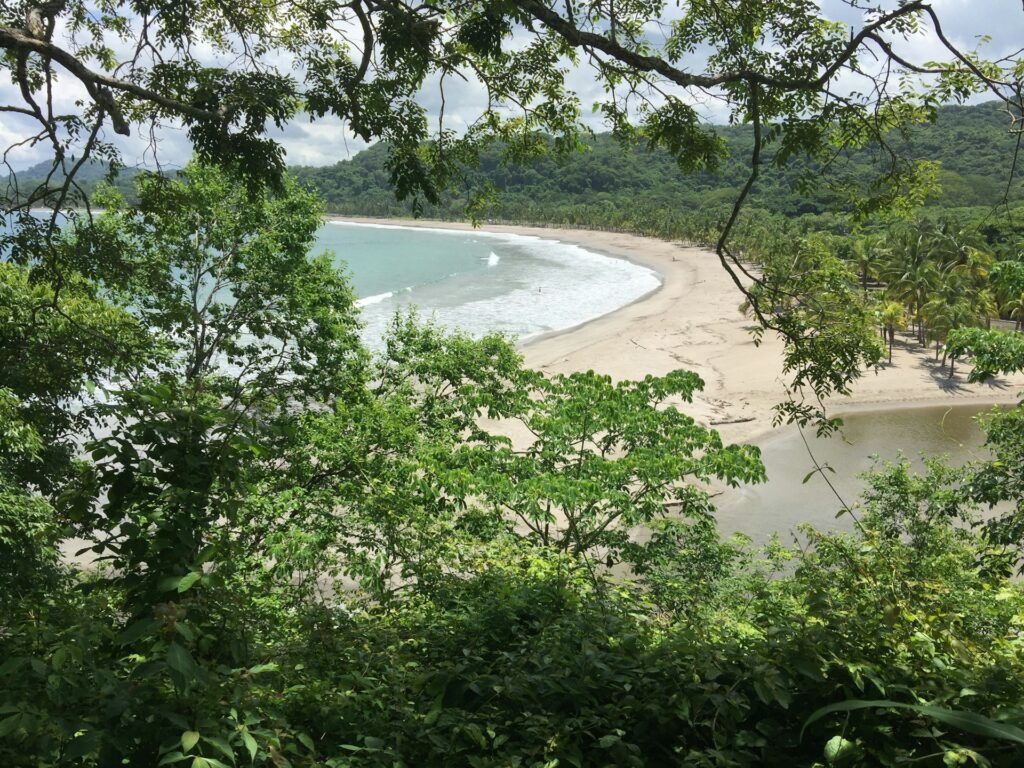
Punta Uva, located on Costa Rica’s Caribbean Coast near the town of Puerto Viejo de Talamanca, is one of the most enchanting and serene beaches in the country. Known for its powdery white sand, clear aquamarine waters, and vibrant coral reefs, Punta Uva offers an idyllic, off-the-beaten-path escape. The beach is surrounded by lush rainforest, where tropical greenery and towering palm trees meet the shoreline, creating a true paradise-like setting.
The calm, crystal-clear waters at Punta Uva are ideal for swimming and snorkeling, with rich coral reefs just offshore. Here, you can spot a diverse range of marine life, including tropical fish, sea turtles, and even the occasional stingray. Snorkeling around Punta Uva’s reefs is one of the highlights, as the underwater world is vibrant and teeming with life.
Punta Uva is known for its quiet, laid-back vibe, offering a more secluded experience than some of the busier beaches on the Caribbean coast. With a combination of pristine waters, lush forest, and vibrant coral reefs, Punta Uva is an incredible destination for nature lovers and those looking to unwind in one of Costa Rica’s most beautiful, unspoiled settings.
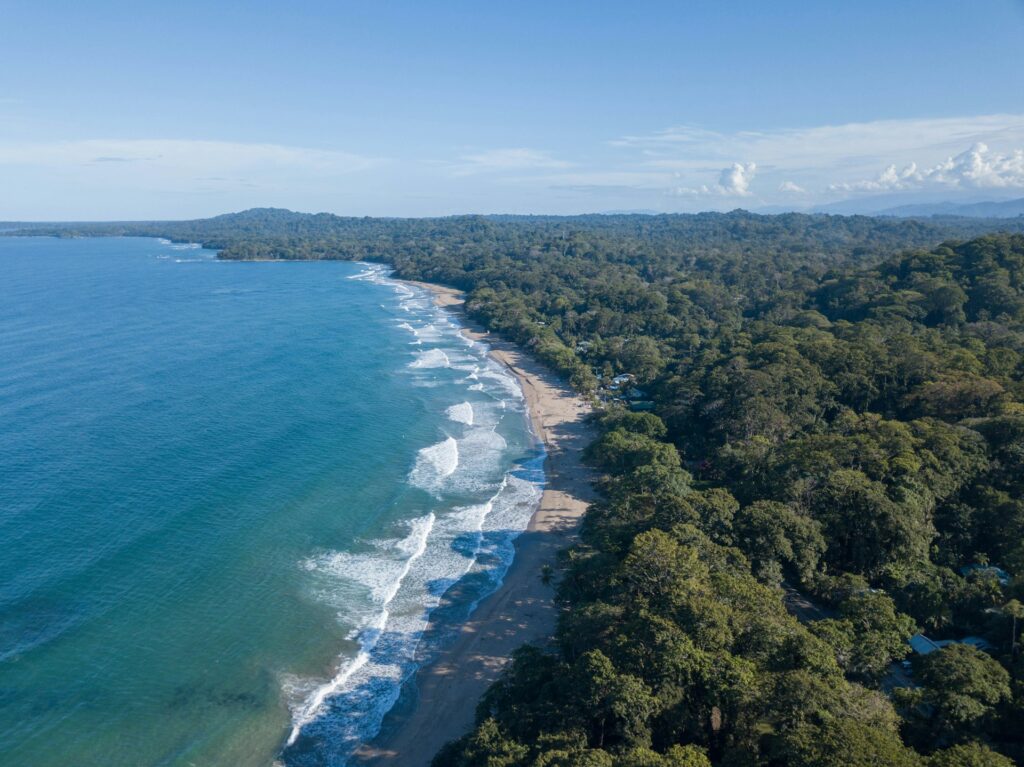
Punta Leona is a beautiful coastal area on Costa Rica’s Central Pacific Coast, located about 90 minutes from San José. This area is known for its pristine beaches, lush rainforest, and vibrant wildlife, making it a favorite destination for both locals and visitors seeking a tropical escape near the city. Punta Leona is home to two main beaches, Playa Blanca and Playa Mantas, each offering its own unique beauty and atmosphere.
Playa Blanca is the more famous of the two, known for its fine white sand and clear, turquoise waters—a rarity on the Central Pacific Coast, which is typically known for darker sand beaches. Playa Blanca’s calm, warm waters are ideal for swimming, snorkeling, and paddleboarding, while the surrounding palm trees and lush vegetation provide plenty of shaded spots to relax. The beach is also known for its cleanliness and Blue Flag certification, a recognition of its environmental quality.
Playa Mantas, located nearby, has soft gray sand and gentle waves, making it a popular spot for families and picnics. While less crowded than Playa Blanca, Playa Mantas still offers beautiful scenery and a more secluded vibe. At low tide, you can even walk between the two beaches, as they are connected by a rocky coastline.