
Make your own chocolate in Costa Rica!
Costa Rica’s chocolate farms offer an indulgent journey into the world of cacao, where rich history, culture, and sustainability come together in one delicious experience. Nestled in tropical rainforests and fertile lowlands, these farms invite visitors to discover the traditional and modern processes behind one of the world’s favorite treats. From the Caribbean coast to the cloud forests of Monteverde, chocolate tours provide an up-close look at cacao cultivation, hands-on chocolate-making, and, of course, plenty of tasting. Visiting a chocolate farm in Costa Rica is a flavorful dive into the heart of Costa Rican agriculture and heritage.
Time to start planning
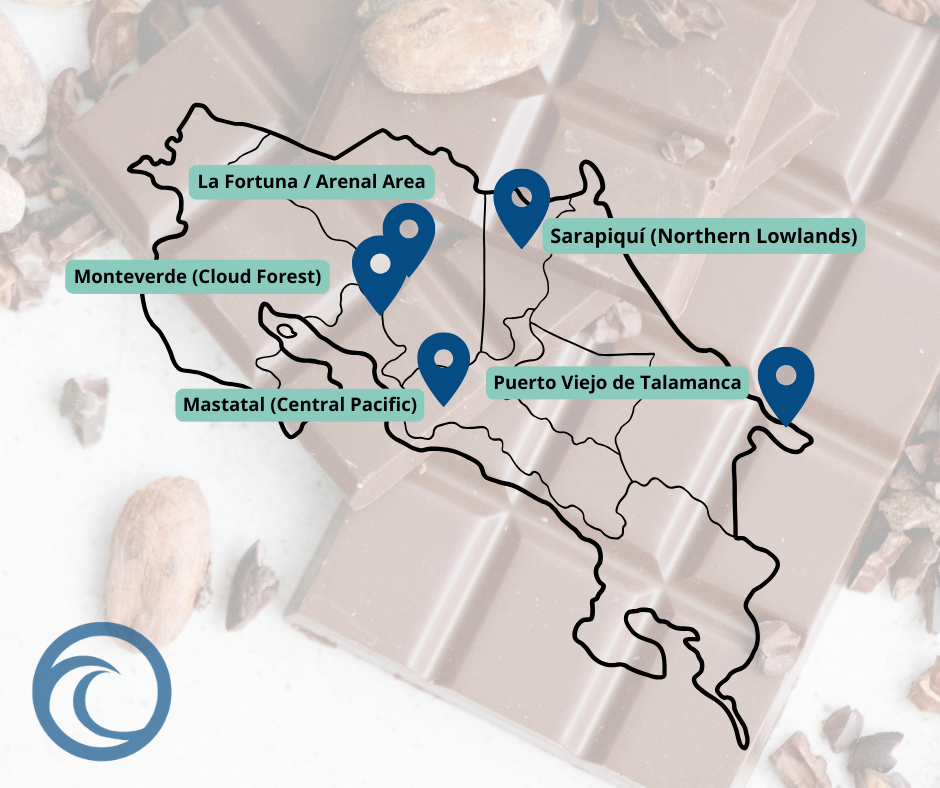
You have 5 regions to choose from if you want to experience the chocolate farms and make your own chocolate:
- Puerto Viejo de Talamanca (Caribbean Coast)
- La Fortuna / Arenal Area
- Sarapiquí (Northern Lowlands)
- Monteverde (Cloud Forest)
- Mastatal (Central Pacific)
If you want to go to a chocolate tour contact us to let us know and we’ll find what area is best for you! We’ll take care of the planning and booking of your chocolate adventure.
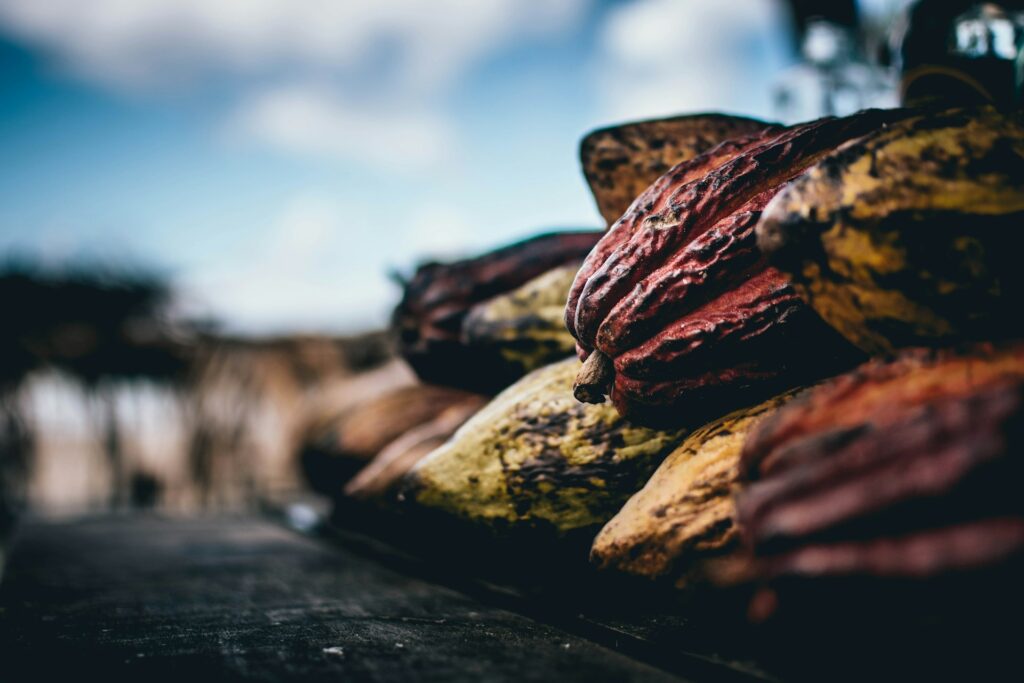
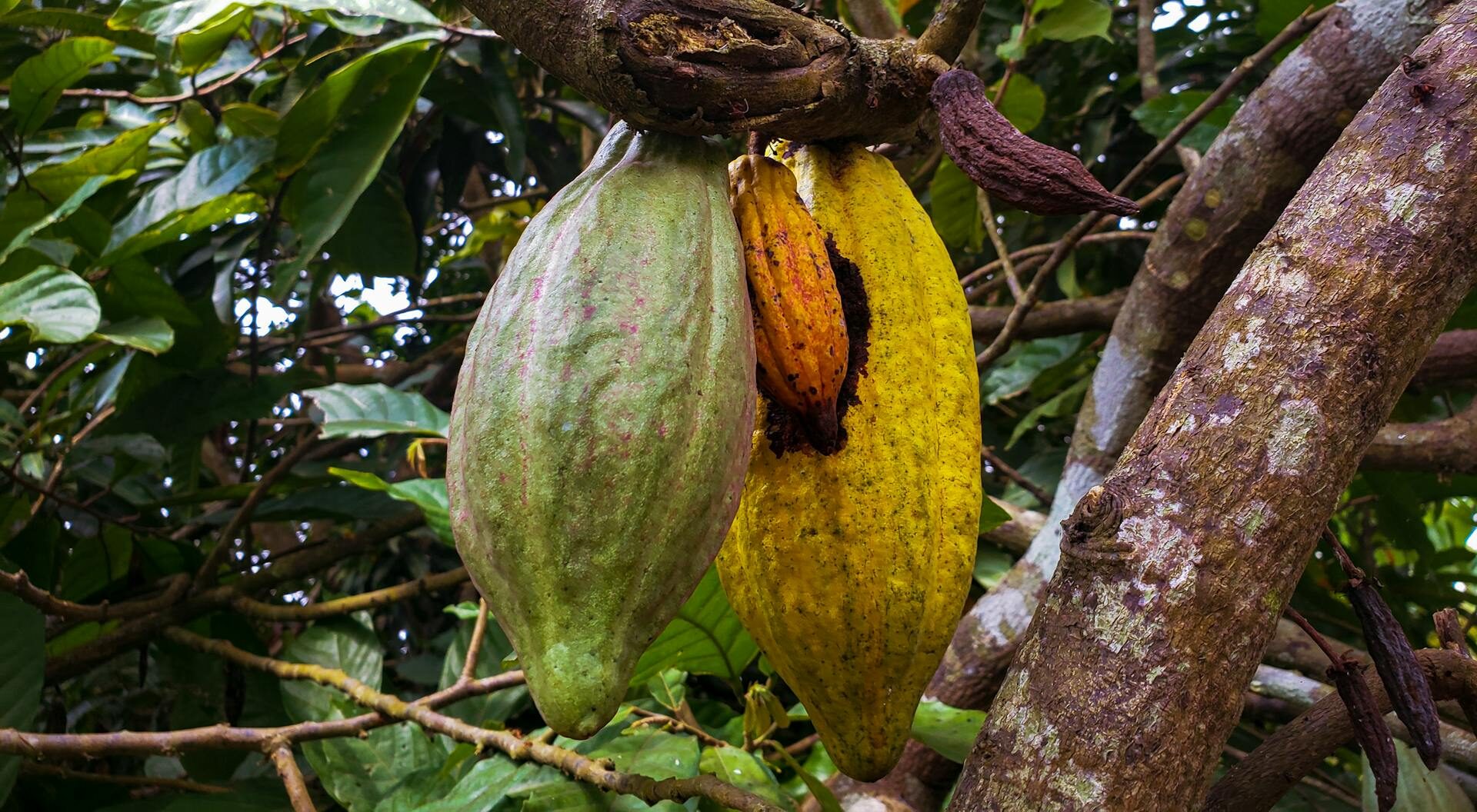
The different colors on cacao (or cocoa) pods generally indicate the type of cacao variety, the ripeness of the fruit, and environmental factors that affect growth. Here’s what the colors usually signify:
Color Variations by Cacao Variety:
Forastero: Typically green when unripe, turning yellow as it ripens.
Criollo: Often appears red, orange, or yellow, even when unripe. Criollo pods can also have a smoother surface compared to other varieties.
Trinitario: Shows a blend of colors, ranging from green to red or purple, depending on the crossbreed of Forastero and Criollo genetics.
Ripeness:
Green or Dark Purple: Cacao pods are usually unripe when they’re green or purple, though some types of Criollo and Trinitario can be red or orange even when young.
Yellow, Orange, or Red: These colors typically indicate that the pod is ripening. The exact hue varies by variety, but once it turns yellow or red, the pod is usually ready for harvesting.
Environmental Influence:
Factors like soil, sunlight, and even altitude can influence the pod color. The same variety might show slightly different colors if grown in different conditions.
By observing the color and knowing the cacao variety, farmers can determine the best time to harvest the pods for optimal flavor!
Learning about cocoa is a fun activity for the whole family or group! I had never seen the cocoa pod before moving to Costa Rica.
Siri
Here are the different cocoa regions and their traits:
Puerto Viejo de Talamanca (Caribbean Coast)
The Caribbean coast has a rich cacao history, and Puerto Viejo is one of the best places to visit chocolate farms. This area is known for traditional Afro-Caribbean and indigenous chocolate-making techniques.
La Fortuna / Arenal Area
La Fortuna has several chocolate experiences where you can learn about chocolate-making in a scenic setting near Arenal Volcano. These tours often include insights into Costa Rican history and sustainable farming practices.
Sarapiquí (Northern Lowlands)
Sarapiquí is known for its fertile soil and sustainable farming practices, making it a great location for cacao farming. The area’s chocolate tours provide a mix of education on ecology and the cacao production process.
Monteverde (Cloud Forest)
In Monteverde, you’ll find chocolate tours that focus on eco-friendly farming in the lush cloud forest setting. These tours often combine coffee and chocolate tasting, which is great for those interested in Costa Rica’s local agricultural products.
Mastatal (Central Pacific)
In Mastatal you will find a small, family-run, organic chocolate farm located in a rural area in the Puriscal region of Costa Rica, which is part of the San José province. This eco-friendly farm is dedicated to sustainable cacao cultivation and produces bean-to-bar chocolate using traditional methods. They offer visitors the opportunity to learn about every step of chocolate-making, from growing cacao trees to fermenting, roasting, and crafting finished bars.
Each region offers a unique take on cacao farming, and you’ll find a blend of cultural history, hands-on chocolate-making, and plenty of tasting opportunities. It’s a delicious way to learn about Costa Rica’s agricultural heritage!


